Natural fabrics
What Your Skin Knows
Wool, cotton, linen, silk, cashmere. The case, and the budget.

By Cory Q
Commercial Real Estate Advisor
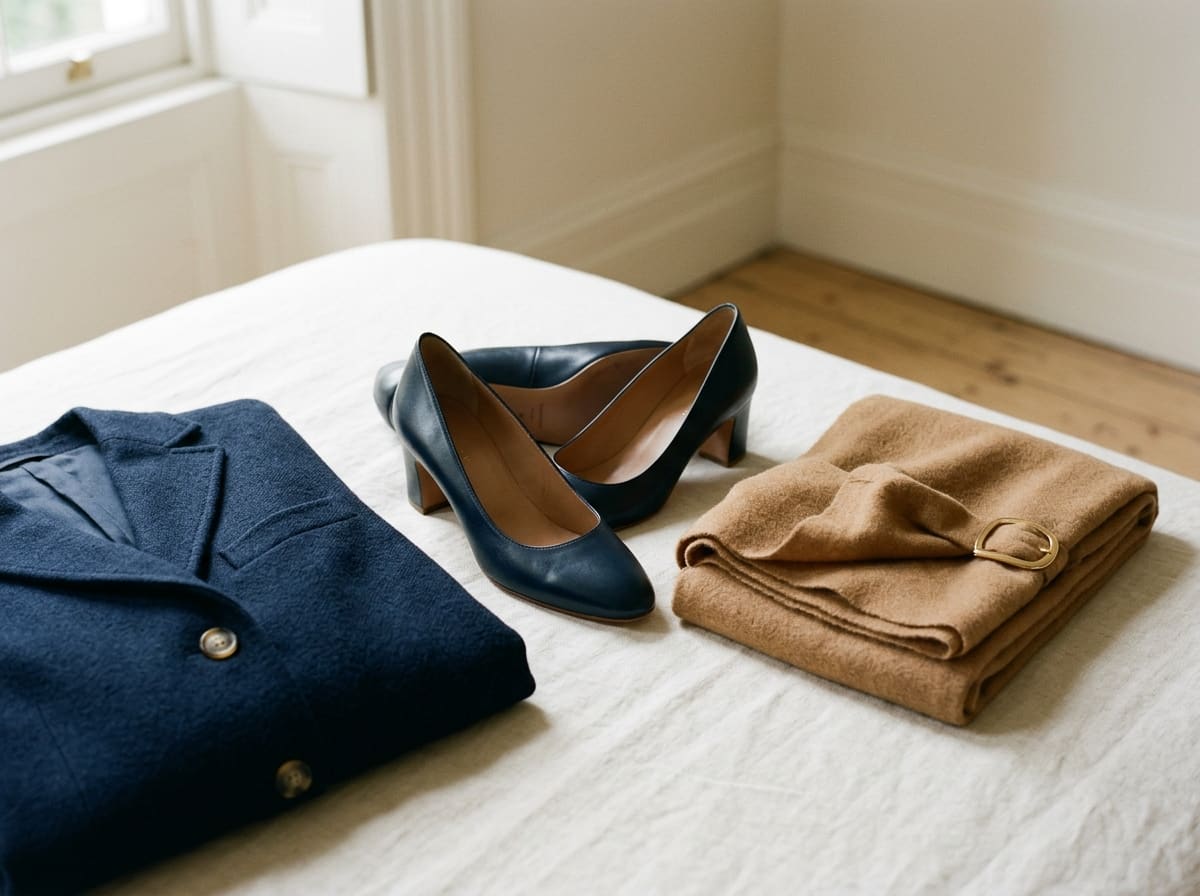
Pick up two sweaters. One is wool. One is acrylic made to look like wool. In the store, under the lights, you may not be able to tell them apart. Your skin can. Your skin knew before you read the label. By three in the afternoon, the room can tell too.
That is the whole argument for natural fabrics. The rest of this is just the reasons.
Drape. Fabric either hangs or it clings. Wool, silk, linen and good cotton have weight and give. They fall from the shoulder in a line and stay there. A wool trouser breaks over the shoe the way it should. A silk blouse moves when you move and settles when you stop. Most synthetics do one of two things: they stick, or they stand away from the body like they are afraid of it. The room reads that as stiff, or as cheap, and the room is not wrong. Drape is the difference between clothes that look made for you and clothes that look like they are being worn by someone.
Breath. Natural fibers let air through. Wool keeps you warm in January and, in a light weight, cool in July, because it moves moisture away from the skin instead of trapping it. Linen does the same in heat. Cotton breathes. Polyester holds the heat in and the sweat against you, which is why a long day in a polyester shirt ends with you looking like you had a long day. Comfort and elegance are the same thing here. A fabric that lets you breathe lets you forget about it, and a person who has forgotten their clothes looks at ease.
Longevity. Natural fibers age. They soften, they take a crease, they can be mended and pressed back into shape. A wool coat, brushed and pressed and relined once a decade, is still the same coat twenty years in. Synthetics do not age. They pill, they shine at the elbow, and then one day they are done, and there is nothing to do but throw them away. Price per wear is the only price that matters. A hundred dollar wool trouser worn two hundred times costs fifty cents a day. The forty dollar polyester one that looks tired after a season costs more, and looks it.
Planet. Wool, cotton, linen and silk come from a sheep, a plant, a plant and a worm. When they are done, they go back into the ground. Polyester is plastic. Every wash sheds pieces of it into the water, and when the garment is done it stays plastic for a few hundred years. You do not have to make this the reason. It is one more thing the natural version gets right.
Health. Skin is not a wall. It is an organ, the biggest one you have, and it absorbs some of what sits on it all day. I would rather what sits on it all day be a sheep and a cotton plant than a petroleum product and the finishes that keep it wrinkle free. I will not shout about this. I will just say that when I have the choice, I choose the fabric my grandmother would have recognized.
The honest part about price. None of this makes a synthetic a crime. If the blazer you own is polyester and it fits at the shoulder and it is pressed, wear it tomorrow and walk in proud. A synthetic is an upgrade waiting to happen, not a fault. When it is time to replace it, replace it with the wool version, and here is the thing nobody tells you: the wool version is often cheaper. A thrift store is full of wool blazers, silk blouses and cotton shirts that someone paid real money for once. Fifteen dollars and a trip to the tailor, and you are wearing a better fabric than the new rack at the mall can sell you at any price. Thrift wool beats new polyester. Every time, in every room.
How to tell. Read the label. Then use your hands. Crush a sleeve in your fist and let go. Wool and linen crease and relax. Silk falls. Polyester springs back as if nothing happened, and it looks exactly that lifeless on you. Hold it up to the light. Natural fibers have a little variation in them, a little life. Then put it against your inner wrist, where the skin is thin. The one you want is the one you stop noticing.
Your skin has been giving you this read for years. Listen to it before you buy anything.
Making clothes since age four. Costume director of the New Mexico Ballet, then a made-to-order clothing company. Now a Commercial Real Estate Advisor who knows trust is built before the handshake.