Dress for the goal
What a Banker Says
Same rules, different rooms.

By Cory Q
Commercial Real Estate Advisor
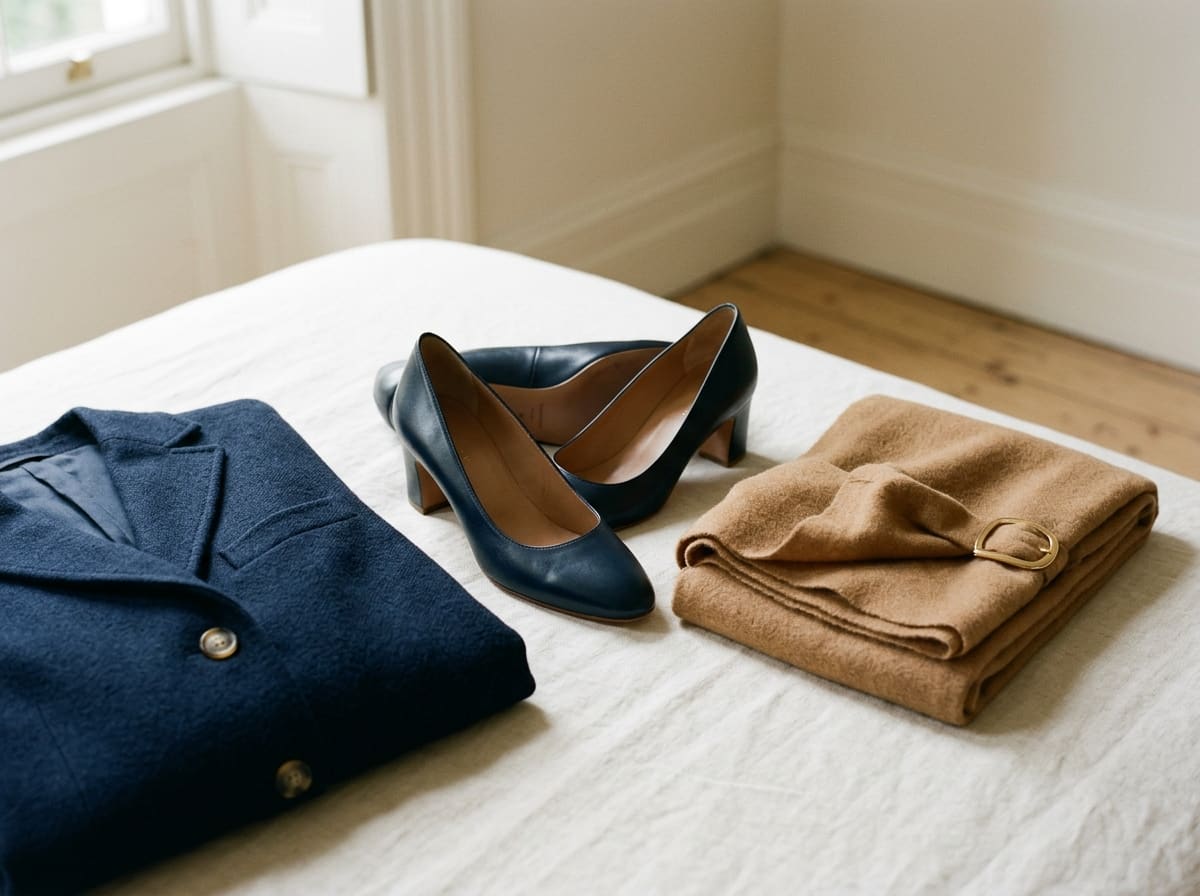
The rules do not change by career. Cohesion, fit, shoes, one signature piece, natural fabric, nothing neglected, nothing shouting. What changes is the room, and what the person across the table needs to believe about you before they will do business. So here is the same method, career by career. Find yours, then read the others anyway. You will meet all of these people.
The banker or advisor. The room needs to believe: this one takes care of things. Give them the keys. Money does not want surprises, so the clothes should have none. Navy or charcoal, in wool. A white or pale blue shirt. Shoes that are real leather and have seen a brush this week. The fit is where you prove it: a jacket that sits on the shoulder without a ridge, a sleeve that shows a quarter inch of cuff, a trouser that breaks once over the shoe. A watch, if you wear one, can be the signature piece, as long as it is quiet. The banker's mistake is almost never under-dressing. It is the loud one: the logo belt, the bright lining flashed on purpose, the shoe more interesting than the handshake. Money should not shout. The person who already has it rarely does.
The nurse or clinician. The room is a patient who is scared, and the room needs to believe: I am in good hands, and these hands are clean. Scrubs are the uniform, and the uniform is not the problem. The condition is. Scrubs that fit, in the color your unit allows, pressed or at least not slept in. Shoes that are clean, because a patient on their back is looking at the floor and at your feet. Hair off the face. Nails short and bare. If a jacket goes over the scrubs, keep it in the same color family. The clinician's signature piece is small: a watch with a second hand, glasses chosen on purpose. Out of scrubs, in a meeting with administration or a family, the rule is the banker's, one notch softer. A knit over a collared shirt. A dress with a cardigan. Clean, calm, nothing to read but the care.
The realtor. This one I know, because I do it every day. The room needs to believe two things at once: that you are successful enough to be trusted with the biggest decision of their year, and that you are not spending their commission on your outfit. That is a narrow road. Walk it in one color family. Camel and cream, navy and ivory, a grey that goes with everything you own. A blazer that fits, always. Shoes you can walk a property in and still show a house in: a leather loafer, a low block heel, clean every morning. Your signature piece can be a little warmer than the banker's, a scarf, a coat, a good bag, because people buy from people they like. It is still one piece. Three pieces is a costume, and a client can smell a costume from the driveway.
The founder. The room is an investor, a hire or a customer, and the room needs to believe: this one has decided. The founder's mistake is the hoodie worn as a point, the sneakers that say I am too busy building to care. The room hears something else. It hears haven't decided yet. You do not have to wear a suit. You do have to wear a decision. A dark knit that fits, a jacket in a fabric that hangs, trousers with a hem, shoes that are not falling apart. Pick a uniform and wear it until people can describe you without seeing you. That is your signature piece: you are always the same, and always clean.
The teacher. The room is thirty people who will test every seam, and the room needs to believe: this one is in charge, and this one respects us. Comfort is the goal, and comfort does not mean giving up. A natural fabric that fits is comfortable and it looks like you meant it. Cotton shirts, wool trousers, knits that hold their shape, flat shoes in real leather. Pockets. A cardigan or blazer in a color that goes with everything else you own, so getting dressed takes two minutes. Your signature piece can have personality, because you are a person to those kids before you are a subject. One piece. The kids remember it, and that is the point.
The rule for every room. Never wear cleavage or legs to a business appointment. This is not about modesty, and it is not aimed at women. It applies to anyone. In a business room, skin pulls the eye, and once the eye is pulled the room is no longer listening to your proposal. A longer hem, a higher neckline, a blazer over the top. Same outfit, same budget, and now the room hears what you came to say. A shirt unbuttoned to the chest is the same mistake in a different shirt.
What never changes. Fit, cohesion, care. A clean shoe. One piece they remember. Everything on your body agreeing about where you are going. The rooms are different, and the question the room asks is always the same: can I trust this person with what I am about to hand them? Dress so the answer is yes before you say a word.
Making clothes since age four. Costume director of the New Mexico Ballet, then a made-to-order clothing company. Now a Commercial Real Estate Advisor who knows trust is built before the handshake.